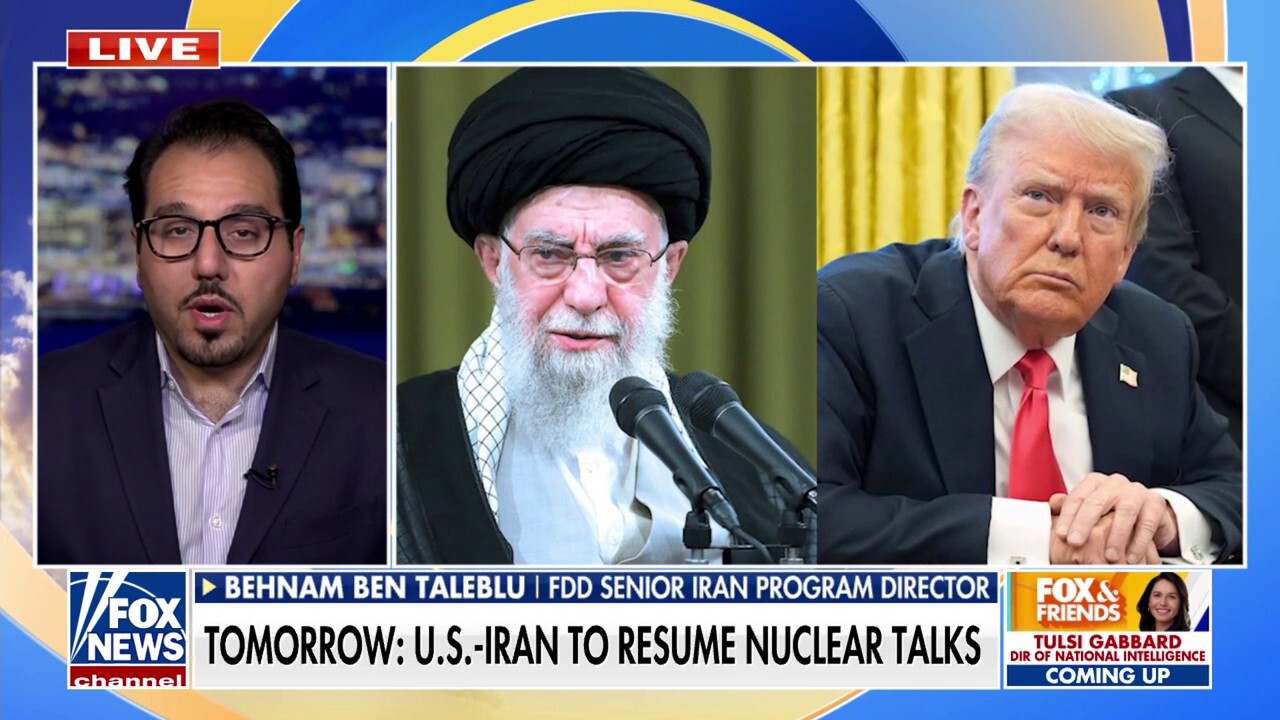
Iran is moving fast—and quietly—on the world stage. While the U.S. touts maximum pressure, Tehran is building alliances, reopening channels, and redefining its diplomatic posture across Asia, Africa, and Latin America. At the same time, Donald Trump continues to insist the U.S. “holds all the cards,” framing sanctions and military posture as decisive leverage. But the reality is more complex: a flurry of Iranian diplomacy suggests a strategy not of retreat, but recalibration.
This isn’t just about surviving sanctions. It’s about reshaping Iran’s geopolitical footprint while Washington relies on blunt-force tools. The contrast reveals a critical shift—where power is no longer measured solely by military might, but by diplomatic endurance and strategic patience.
The Scope of Iran’s Diplomatic Expansion
Over the past 18 months, Iran has normalized or upgraded relations with key regional powers once considered adversaries. The most notable is its rapprochement with Saudi Arabia, brokered by China in 2023. What appeared to be a symbolic reset has since evolved into sustained diplomatic engagement, including reopened embassies and high-level visits.
Beyond the Gulf, Iran has deepened ties with Oman, engaged in quiet dialogue with the UAE, and expanded economic cooperation with Iraq and Syria. But the real story lies outside the Middle East.
Tehran has intensified outreach in: - Central Asia: Visits to Kazakhstan, Turkmenistan, and Uzbekistan focused on trade, energy, and transit corridors bypassing Western chokepoints. - Africa: Diplomatic missions in Ethiopia, Uganda, and South Africa aim to counter isolation and expand influence in strategic ports and UN voting blocs. - Asia: Strengthened partnerships with India, Pakistan, and Malaysia include energy deals and joint infrastructure projects. - Latin America: Renewed overtures to Venezuela, Bolivia, and Nicaragua serve both symbolic and logistical purposes—alternative shipping lanes and anti-U.S. alignment.
Each move chips away at the containment strategy the U.S. hoped would suffocate Iran’s global relevance.
Why Now? The Timing Behind Iran’s Push
Sanctions have hurt Iran’s economy—oil exports dropped from 2.5 million barrels per day (bpd) in 2018 to under 300,000 at their lowest. But rather than collapse, Iran adapted.
It built shadow fleets, used intermediaries in China and the UAE, and bartered oil for goods. Inflation remains high, but the regime has stabilized domestic unrest—for now. That breathing room has been used strategically.
With Trump’s return looming in U.S. politics, Iranian leaders see a window. If he wins in 2024, they expect renewed pressure—possibly military posturing or tighter sanctions. So the current diplomatic surge is preemptive: lock in alliances, diversify trade, and build diplomatic insulation before the next storm.
Trump’s “We Hold the Cards” Narrative—Fact or Fiction?
- Donald Trump’s repeated claim that the U.S. “has the cards” rests on three pillars:
- Sanctions: Crippling Iran’s economy and restricting its oil exports.
- Military dominance: U.S. bases across the Gulf, carrier groups, and intelligence reach.
- Diplomatic isolation: Portraying Iran as a pariah state excluded from global institutions.
On paper, it sounds persuasive. In practice, it’s fraying.
Sanctions, while damaging, have not forced regime change or nuclear capitulation. Instead, they’ve pushed Iran to find workarounds and deepen ties with non-Western powers. Meanwhile, U.S. military presence hasn’t deterred Iranian proxy actions in Yemen, Syria, or Iraq. And diplomatically, Iran is no longer isolated—in fact, it’s being courted.
China and Russia see Iran as a partner in challenging U.S. unipolarity. But even neutral states—from India to Indonesia—engage with Tehran on energy, regional stability, or counterterrorism. The “pariah” label no longer fits.

The Limits of Maximum Pressure
Trump’s strategy of “maximum pressure,” launched after the U.S. withdrew from the JCPOA in 2018, aimed to force Iran back to the negotiating table under worse terms. It failed.
- Iran responded by enriching uranium to 60%, close to weapons-grade.
- Ballistic missile development continued.
- Regional proxies remained active, including Hezbollah and the Houthis.
- Talks to revive the nuclear deal stalled, with both sides blaming the other.
Worse, the policy alienated European allies who still support diplomatic engagement. It also handed China a diplomatic win by allowing Beijing to broker the Saudi-Iran deal—something the U.S. failed to do for decades.
The China Factor: A New Power Broker
China’s role cannot be overstated. By mediating between Iran and Saudi Arabia, Beijing positioned itself as a neutral, influential actor in Middle East affairs—something the U.S. once monopolized.
China gains from this: - A more stable Gulf means secure energy imports. - Iranian oil, bought at a discount, fuels China’s energy needs. - Strategic ports in Pakistan (Gwadar) and Iran (Chabahar) strengthen China’s Belt and Road ambitions.
For Iran, China offers economic lifelines and diplomatic cover. For the U.S., it’s a wake-up call: influence in the region is no longer unchallenged.
Real-World Example: The Chabahar Port Deal
In 2024, India and Iran finalized a long-delayed agreement to develop the Chabahar Port, with Indian investment and operational control. The project aims to create a trade corridor from India through Iran to Afghanistan and Central Asia—bypassing Pakistan.
The U.S. has historically opposed such deals, fearing they undermine sanctions. But this time, Washington stayed silent. Why?
Because opposing Chabahar would damage U.S.-India relations—a key strategic partnership. The choice: enforce sanctions and lose ground with India, or accept limited Iranian economic recovery. The U.S. chose pragmatism.
This signals a quiet shift: even under a Trump-leaning policy, total containment is no longer feasible.
Europe’s Dilemma: Between Diplomacy and Alignment
European powers—France, Germany, the UK—remain committed to a diplomatic solution with Iran. But their influence is waning.
They still support the JCPOA and want to revive it. But with no leverage over Trump’s policies and limited ability to offer sanctions relief, their role is largely symbolic.
Iran knows this. It engages with Europe not for breakthroughs, but to maintain a façade of multilateral diplomacy and counter the U.S. narrative of total isolation.
Yet, European businesses remain wary. Fear of U.S. secondary sanctions keeps most major firms out of Iran. So while diplomatic doors stay open, economic doors stay shut.
The Nuclear Wildcard
At the heart of this standoff is Iran’s nuclear program. As of mid-2024, Iran has enough 60% enriched uranium for multiple bombs if further enriched. It denies seeking nuclear weapons, but its actions fuel suspicion.
Trump insists that only pressure will make Iran “come clean.” But history suggests otherwise. The 2015 JCPOA, born from diplomacy, froze Iran’s program for years. The 2018 withdrawal led to rapid advancement.
Diplomacy worked once. Can it work again?
The answer may depend less on Trump’s rhetoric and more on Europe’s ability to broker trust—or China’s willingness to push Tehran toward transparency.
What Iran Gains—and Risks—From Its Diplomatic Push Iran’s current strategy is not without risk.

Gains: - Reduced isolation: New alliances offer economic and political breathing room. - Diversified trade: Bypassing U.S.-controlled financial systems through barter and local currencies. - Regional influence: Maintaining proxy networks while engaging rivals diplomatically. - Narrative control: Portraying itself as a victim of U.S. aggression, not a rogue state.
Risks: - Overreach: Stretching diplomatic resources too thin across continents. - Reliance on authoritarian partners: China and Russia are fair-weather friends at best. - Domestic backlash: If diplomacy doesn’t ease economic pain, public support could erode. - Miscalculation: Escalating tensions with Israel or the U.S. could trigger conflict.
Still, the regime calculates that the risks of inaction—total collapse under sanctions—are greater.
The U.S. Hand: Reassessing “Having the Cards”
Does the U.S. still hold the upper hand?
In military and financial terms, yes. The dollar remains dominant. U.S. sanctions can still scare off major investors. And no country wants a direct conflict with America.
But power is not just about coercion—it’s about influence. And on that metric, the U.S. is losing ground.
Iran’s diplomatic flurry shows a regime adapting, not surrendering. It’s building a network of relationships that don’t depend on Washington’s approval. Meanwhile, Trump’s insistence on holding the cards sounds increasingly like wishful thinking—more slogan than strategy.
The world is multipolar now. Influence is fragmented. And diplomacy, not just deterrence, determines outcomes.
A Path Forward: From Rhetoric to Realism For the U.S., doubling down on maximum pressure won’t yield new results. Iran has already absorbed the shock.
A more effective approach would combine: - Targeted sanctions on individuals and entities involved in proliferation, not broad economic warfare. - Support for regional diplomacy, rather than undermining third-party efforts like China’s. - Re-engagement with European allies to present a unified front. - Backchannel negotiations to prevent miscalculation, even without a full deal.
For Iran, the path is equally narrow. It must decide whether long-term survival lies in confrontation or cautious reintegration.
The current flurry of diplomacy suggests Tehran is hedging—preparing for both outcomes.
Conclusion: Diplomacy as Survival, Not Surrender
Iran’s diplomatic surge isn’t a sign of weakness. It’s a sign of adaptation. While Trump insists the U.S. holds all the cards, the game has changed. Power is no longer unilateral—it’s negotiated, fragmented, and contested.
The real winner won’t be the one with the loudest rhetoric, but the one with the most resilient network of alliances, the sharpest economic workarounds, and the patience to outlast the storm.
For policymakers, the lesson is clear: stop counting cards. Start understanding the game.
FAQ
Why is Iran increasing its diplomatic efforts now? Iran is preemptively expanding ties ahead of a potential second Trump presidency, which could bring renewed pressure, sanctions, or military threats.
Does Trump’s “maximum pressure” policy still work? It has damaged Iran’s economy but failed to halt its nuclear program or regional influence. Iran has adapted through shadow networks and alternative partners.
How is China involved in Iran’s diplomacy? China brokered the Saudi-Iran rapprochement, buys Iranian oil, and supports infrastructure projects like Chabahar Port, expanding its own regional influence.
Can Europe still influence Iran? Europe supports diplomacy but lacks leverage. Fear of U.S. sanctions limits European business involvement and weakens political impact.
Is Iran close to building a nuclear weapon? It has enough 60% enriched uranium for several bombs if further enriched, but there’s no evidence of weaponization. Intent remains ambiguous.
What are the risks of Iran’s diplomatic outreach? Overextension, reliance on unstable partners like Russia, and potential miscalculation leading to conflict with the U.S. or Israel.
How is the U.S. responding to Iran’s new alliances? Publicly, with warnings and sanctions. Privately, with growing concern and limited ability to counter non-military forms of influence.
FAQ
What should you look for in Iran’s Diplomatic Surge Amid Trump’s Power Play Claims? Focus on relevance, practical value, and how well the solution matches real user intent.
Is Iran’s Diplomatic Surge Amid Trump’s Power Play Claims suitable for beginners? That depends on the workflow, but a clear step-by-step approach usually makes it easier to start.
How do you compare options around Iran’s Diplomatic Surge Amid Trump’s Power Play Claims? Compare features, trust signals, limitations, pricing, and ease of implementation.
What mistakes should you avoid? Avoid generic choices, weak validation, and decisions based only on marketing claims.
What is the next best step? Shortlist the most relevant options, validate them quickly, and refine from real-world results.