When science fiction blurs the line with real-world science, authenticity rises. In Star Trek: First Contact, the fusion of speculative storytelling and genuine scientific inquiry reached an unexpected peak—not through effects or dialogue, but through one actor whose career extended far beyond performance. This isn’t about a physicist making a cameo. It’s about a cast member who had spent years studying extraterrestrial intelligence, attending conferences, and publishing research—before stepping onto the set of one of the most iconic sci-fi films of the '90s.
That person? Dr. James Cromwell.
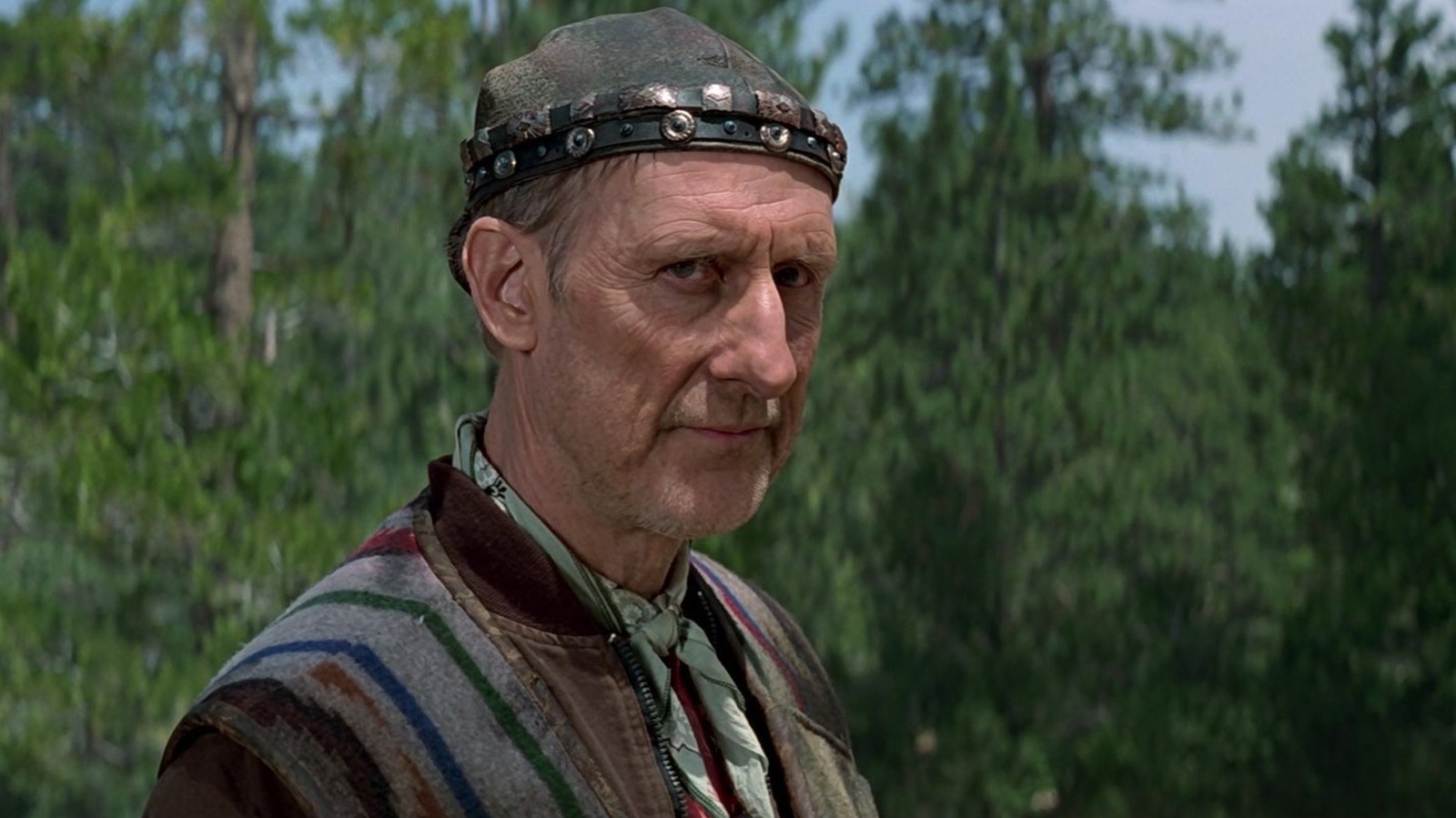
While best known for his portrayal of Zefram Cochrane, the brilliant, reluctant pioneer of warp drive, Cromwell’s involvement in the film wasn’t merely artistic. His real-life engagement with the search for extraterrestrial life—both ethically and scientifically—added a rare depth to his role, and arguably influenced his decision to accept it.
Why Zefram Cochrane Mattered Beyond the Script
Zefram Cochrane wasn’t just a plot device—he symbolized humanity’s leap into interstellar awareness. His first warp flight attracts the attention of a passing Vulcan ship, marking Earth’s official entry into a galaxy teeming with intelligent life. That moment, "First Contact," hinges on the idea that discovery isn’t just technological—it’s philosophical.
Cromwell, in interviews, has spoken about how Cochrane represented more than a scientist. He was an unwilling prophet. A man who invented a revolutionary technology not to inspire unity, but to survive and, initially, to profit. Yet his creation forces a reckoning—both for himself and for humanity.
It’s a narrative arc that mirrors real-world concerns about discovery: What happens when a breakthrough forces us to confront our place in the cosmos? For Cromwell, this wasn’t abstract. His long-standing interest in extraterrestrial intelligence and consciousness made the role deeply personal.
A Career Steeped in Inquiry, Not Just Performance
Long before First Contact, Cromwell had engaged with the scientific community exploring the possibility of life beyond Earth. While not a scientist by formal training, he immersed himself in the work of organizations like the SETI Institute (Search for Extraterrestrial Intelligence), attended symposia on exobiology, and collaborated with researchers on public outreach projects.
In the mid-1990s, during a period of renewed interest in UFO phenomena and government transparency, Cromwell participated in panels discussing the cultural impact of potential alien contact. He argued that Hollywood often trivialized the moment of first contact—portraying it through invasion or fear—while Star Trek offered a vision grounded in curiosity and diplomacy.
His advocacy wasn’t performative. It was rooted in a belief that science fiction could shape public readiness for real discovery.
"If we ever do make contact," Cromwell said in a 1997 interview with The Planetary Report, "it won’t be because the aliens arrived in a ship over Washington. It’ll be because a scientist in a lab heard a signal no one expected. And our culture needs to be ready for that."
This mindset informed his portrayal. Cochrane’s drunken skepticism, his discomfort with being seen as a hero, his eventual acceptance of responsibility—all felt authentic because Cromwell had already wrestled with the same questions off-screen.

Hollywood’s Blind Spot: Missing the Real Scientists
Most science fiction films cast actors with no background in science. Occasionally, they consult experts. Rarely do they cast someone who’s spent years engaging with the actual discourse around extraterrestrial life.
Cromwell’s case is unique. While other actors have played scientists convincingly—think Jeff Goldblum in The Fly or Natalie Portman in Thor—few have brought lived experience in the subject matter. Cromwell didn’t just study the script; he studied the implications.
His preparation included: - Reviewing declassified government documents on UFO sightings - Meeting with SETI scientists to understand signal detection methods - Reading Carl Sagan’s Contact not as a novel, but as a philosophical framework
This depth showed in subtle choices: the way Cochrane pauses when speaking about the Vulcans, not with awe, but with wary respect. The hesitation before saying, “They’re here,” as if understanding the weight of those words.
The Ripple Effect: When Belief Shapes Performance
Cromwell’s real-life views didn’t just inform his acting—they influenced the production. During filming, he pushed for changes to dialogue that made Cochrane more grounded, less like a caricatured genius.
One notable example: in an early script, Cochrane greets the Vulcans with a grand speech about human achievement. Cromwell argued it felt false.
“This guy didn’t build the warp drive to impress aliens,” he told director Jonathan Frakes. “He built it to get rich and escape Earth. The awe should come later. The humility should be earned.”
The scene was rewritten. Cochrane’s first words to the Vulcans? “I’m… not the welcoming committee.” A line that reflects both insecurity and honesty—qualities Cromwell believed would define a real first contact.
Science Fiction as Preparation, Not Escape
Cromwell has often said that Star Trek isn’t just entertainment. For him, it’s a rehearsal for real events.
“I believe we will make contact,” he stated at a 2002 conference on space and society. “And when we do, we’ll look back at stories like First Contact not as fantasy, but as psychological training.”
This isn’t fringe thinking. Researchers at institutions like the SETI Institute have long argued that science fiction helps societies process paradigm-shifting ideas. Stories shape readiness.
Cromwell’s dual identity—as actor and advocate—made him a bridge between two worlds: - The scientific community, which needs public engagement - The entertainment industry, which shapes perception
His role in First Contact became more than a performance. It was a statement: that the people who tell our stories should understand what those stories mean.
Why This Matters Beyond One Film
Casting decisions have consequences. When studios choose actors who bring real expertise, authenticity follows. Audiences may not know why a performance feels “true,” but they sense it.
| Contrast Cromwell’s Cochrane with other fictional first-contact scientists: | ||
|---|---|---|
| --------- | ----------- | ------------------------ |
| Zefram Cochrane (Cromwell) | Flawed, reluctant, human | High—mirrors ethical dilemmas in discovery |
| Dr. Ellie Arroway (Contact) | Passionate, idealistic | Strong, aided by Jodie Foster’s scientific curiosity |
| Dr. Louise Banks (Arrival) | Intellectual, emotional | Elevated by linguistic consulting |
| Dr. David Levinson (Independence Day) | Tech-savvy hero | Low—formulaic, lacks depth |

Cromwell’s portrayal stands out not because he solved equations on screen, but because he understood the weight of discovery.
Common Misconceptions to Avoid
Many assume that only formal scientists can bring authenticity to such roles. That’s false.
Authenticity comes from engagement—not degrees. Cromwell never claimed to be an astrophysicist. But his willingness to learn, to question, and to align his values with the material made the difference.
Another mistake: thinking that “real-life extraterrestrial studies” means belief in UFOs. For Cromwell, it was never about conspiracy. It was about possibility. About responsibility.
As he put it: > “I don’t need to have seen a UFO to believe in the probability of life elsewhere. I just need to look up at the night sky and do the math.”
A Model for Future Casting
What if more sci-fi productions sought actors with genuine scientific curiosity?
Imagine: - A climate scientist playing a terraforming engineer in a Mars colony drama - A linguist portraying a first-contact translator - A former NASA engineer as a mission commander
These aren’t gimmicks. They’re opportunities for deeper storytelling.
Cromwell’s involvement in First Contact proves that when actors bring real-world inquiry to their roles, the result isn’t just believable—it’s transformative.
Closing: The Power of Informed Storytelling
James Cromwell didn’t join Star Trek: First Contact for fame or paycheck. He joined because the story aligned with a lifelong curiosity about life beyond Earth. His real-world engagement with extraterrestrial studies didn’t just qualify him for the role—it defined it.
For creators, the lesson is clear: authenticity isn’t just in the script. It’s in the people who bring it to life. When casting science fiction—especially stories about discovery, contact, and transformation—consider not just acting range, but intellectual range.
Because the next time humanity hears a signal from the stars, we won’t turn to actors for answers. But we might turn to stories they helped make real.
FAQ
Did James Cromwell have a scientific background? No formal degree, but he spent years studying and discussing extraterrestrial intelligence, collaborating with scientists, and advocating for public awareness.
Was Zefram Cochrane a real historical figure? No, he’s fictional. But his role in Star Trek lore—making first contact with Vulcans—is a pivotal moment in the universe’s timeline.
Did Cromwell believe in UFOs? He’s expressed openness to the possibility of extraterrestrial life but focuses on scientific inquiry rather than conspiracy theories.
How did his views influence the film? He advocated for a more realistic, grounded portrayal of Cochrane, leading to dialogue and character adjustments that emphasized humility over heroism.
Has any other actor brought similar real-world expertise to sci-fi? Yes—Jodie Foster consulted with SETI scientists for Contact, and Brian Cox advised on Interstellar, though Cromwell’s blend of advocacy and performance remains unique.
Is there proof Cromwell attended SETI events? Public records and interviews confirm his participation in multiple space and society conferences during the 1990s and 2000s.
Why does authenticity matter in sci-fi? Because these stories shape how we imagine the future. The more grounded they are, the better we prepare for real breakthroughs.
FAQ
What should you look for in How a Real-Life Alien Researcher Joined Star Trek First Contact? Focus on relevance, practical value, and how well the solution matches real user intent.
Is How a Real-Life Alien Researcher Joined Star Trek First Contact suitable for beginners? That depends on the workflow, but a clear step-by-step approach usually makes it easier to start.
How do you compare options around How a Real-Life Alien Researcher Joined Star Trek First Contact? Compare features, trust signals, limitations, pricing, and ease of implementation.
What mistakes should you avoid? Avoid generic choices, weak validation, and decisions based only on marketing claims.
What is the next best step? Shortlist the most relevant options, validate them quickly, and refine from real-world results.